




Traders new to trading futures on the Moscow Exchange (MOEX-RTS) often get confused by contract specifications. The specific alphanumeric codes on the derivatives market are quite simple to remember, but they require some understanding.
Contents
- Appearance of Moscow Exchange Futures Codes
- M Field (Expiration Month) of the Futures Code
- Y Field (Expiration Year) of the Futures Code
- C Field (Underlying Asset) of the Futures Code
- Example of Decoding a Moscow Exchange Futures Code
Appearance of Moscow Exchange Futures Codes
Futures code consists of three main elements:
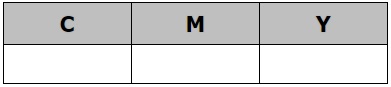
Futures code
- C – underlying asset code, consisting of 2 characters
- M – futures expiration month, consisting of 1 character
- Y – futures expiration year, consisting of 1 character
We will discuss the underlying asset code for futures later, but let’s clarify the dates right away.
M Field (Expiration Month) of the Futures Code
The M field – futures expiration month – is encoded with the following symbols:
Month | Futures Code
- January – F
- February – G
- March – H
- April – J
- May – K
- June – M
- July – N
- August – Q
- September – U
- October – V
- November – X
- December – Z
ForTraders.org reminds that each futures contract has its own validity period. The month when it expires, i.e., expiration occurs, is what we discussed above.
Y Field (Expiration Year) of the Futures Code
The year field of the futures contract is even simpler. It is one digit duplicating the last digit of the year, i.e.
- 5 – 2005,
- 8 – 2018,
- 0 – 2020,
- 3 – 2023.
C Field (Underlying Asset) of the Futures Code
The most difficult to remember field of the Moscow Exchange futures code is the asset code itself. We have specifically broken it down by asset type for easier searching.
Currency Futures
Underlying asset code in the “C” field (Underlying asset code on the main market) – underlying asset name
- AU (AUDU) – Australian dollar – US dollar pair rate (AUD/USD)
- ED (ED) – Euro-dollar pair rate (EUR/USD)
- Eu (Eu) – Euro-ruble pair rate (EUR/RUB)
- GU (GBPU) – Pound sterling – US dollar pair rate (GBP/USD)
- Si (Si) – Dollar-ruble pair rate (USD/RUB)
- CY (CY) – Chinese yuan – Russian ruble rate (CNH/RUB)
- CA (UCAD) – US dollar – Canadian dollar rate (USD/CAD)
- CF (UCHF) – US dollar – Swiss franc rate (USD/CHF)
- JP (UJPY) – US dollar – Japanese yen rate (USD/JPY)
- TR (UTRY) – US dollar – Turkish lira rate
- IN (UINR) – US dollar to Indian rupee rate
- UU (UUAH) – US dollar – Ukrainian hryvnia rate
Commodity Futures
Underlying asset code in the “C” field (Underlying asset code on the main market) – underlying asset name
- BR (BR) – futures on Brent crude oil
- Co (Co) – futures on Grade A copper
- DZ – diesel fuel grade L-0,2-62 (GOST 305-82)
- GD (GOLD) – futures on refined gold bullion
- PD (PLD) – futures on refined palladium bullion
- PT (PLT) – futures on refined platinum bullion
- UR (UR) – futures on Urals crude oil
- SV (SILV) – futures on silver
- SL (SLV) – futures on silver (deliverable)
- AM (ALMN) – futures on aluminum
- CL (CL) – futures on Light Sweet Crude Oil
- GO (GLD) – futures on gold (deliverable)
- Nl (Nl) – futures on nickel with 99.80% purity (minimum)
- Zn (Zn) – futures on zinc
- NG (NG) – futures on natural gas
Agro Futures
Underlying asset code in the “C” field (Underlying asset code on the main market) – underlying asset name
- SU (SUGA) – futures on granulated sugar produced according to GOST 21-94
- SA (SUGR) – futures on raw sugar
Index Futures
Underlying asset code in the “C” field (Underlying asset code on the main market) – underlying asset name</