


Despite money playing a key role in modern life, few people seriously consider the security of their finances. This sadly applies to most Forex traders as well. Beginners can be understood—the deposit amount is small, income is unstable, and so on. However, as traders gain experience, income stabilizes and grows, and the deposit increases. Losing money on your account due to neglecting basic security rules is all the more painful.
Let’s discuss how scammers can access a currency trader’s funds.
Love internet surfing? You might lose your Forex account password
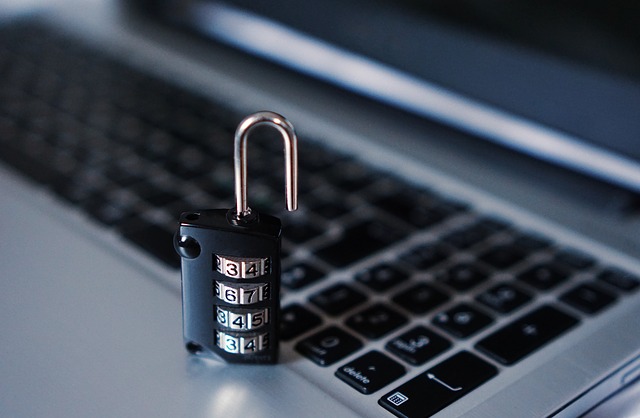
The simplest method scammers use is stealing logins and passwords from trading accounts. They employ special programs that infect computers with Trojan viruses. This is easy to do online.
These often appear as invitations to install additional software, attractive ad banners, or simple links. Unfortunately, not every antivirus detects them, especially free ones. Before registering with a broker, check your computer for malware using reliable antivirus tools.
Don’t store important trading account data in email
Another common way to obtain trader data is through email. Scammers have several options here.
The first and simplest is hacking the email account. Traders often keep broker registration emails there, including access credentials. For an experienced hacker, accessing these on public email services is easy, so delete them permanently after noting the data elsewhere safer.
The second method exploits carelessness. Scammers send emails requesting password changes with the old password or participation in ‘new system’ tests using existing data. To hook you, they claim you’re a ‘100500th visitor’ or ‘selected among 100500 traders.’
These emails come from addresses mimicking the broker’s, containing links. Never open them or click links.
The third way combines the first two. You receive an enticing email, open it, and it launches a program that collects all logins and passwords, sending them to the scammer.
Not just any password, but your personal one for the Forex account
To minimize email hack risks, create a dedicated email solely for broker communications, not used elsewhere.
Scammers sometimes try to trick users into revealing passwords under various pretexts. Don’t be naive—no one gives away money for free. This works on the most trusting traders, but it does work. Some sites label it ‘Personal Password’ or ‘Personal Trader Cabinet’ wisely. Remember, your account password is personal—never share it.