


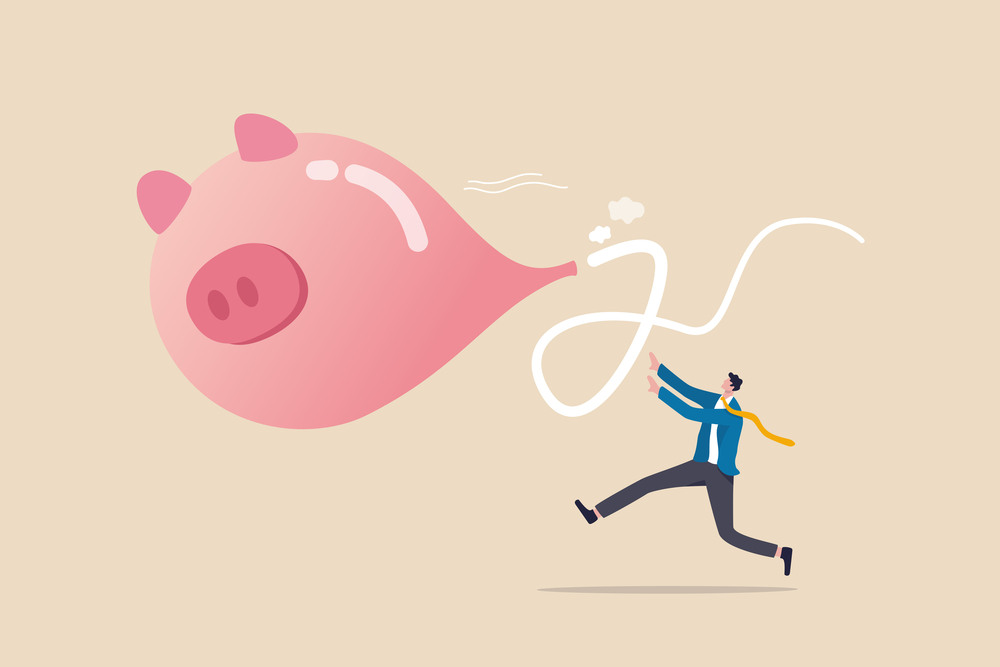
People overspend due to psychological biases like optimism, dopamine rushes, and social pressures, not just poor discipline or low income. Behavioral economics research shows these mental traps cause even financially literate individuals to exceed budgets through small, unnoticed purchases.
Money involves emotions, habits, social norms, and cognitive distortions that drive irrational spending decisions.
Illusion of Spending Control
People overestimate their ability to control spending, expecting this month to differ from past failures. This optimism bias leads to ideal planning that ignores stress, temptations, and real-life impulses, resulting in expenses always surpassing plans.
Impulse Buys and Dopamine Hits
Purchases trigger brain reward systems, releasing dopamine from anticipation more than ownership. Online stores amplify this with instant access, personalized suggestions, limited-time deals, and one-click buying, lowering barriers between desire and spending.
Small Spending Effect
Big purchases get noticed, but daily small ones like coffee, rideshares, food delivery, subscriptions, and in-app buys slip by unnoticed. Individually trivial, they accumulate massively because the mind fails to sum them accurately.
Social Pressure and Keeping Up
Financial habits mirror social circles, with subconscious drives to match group consumption levels. Social media distorts reality by showcasing vacations, buys, and lifestyles without financial constraints, fueling FOMO and unplanned spending.
Emotional Spending Traps
Shopping regulates emotions by relieving stress, countering fatigue, escaping boredom, or boosting mood. This offers short-term relief but builds habits of spending on negativity, leading to chronic overspending.
Cognitive Biases Driving Expenses
- Anchoring effect: Initial prices set value perceptions, making discounts irresistible even for unneeded items.
- FOMO: Limited offers push quick buys to avoid missing out.
- Mental accounting: Bonuses or windfalls spend easier than earned income.
- Present bias: Immediate pleasure trumps future savings.
Credit Cards and ‘Not My Money’ Illusion
Cashless payments reduce pain of loss since money doesn’t physically leave. Credit cards add deferred payment, masking costs and eroding control—studies confirm higher spending with cards versus cash. Installments further hide true expense by splitting into tiny chunks.
Why Budgets Fail
- Rigid limits spark rebellion.
- Irregular costs get overlooked.
- One slip triggers ‘what the hell’ effect, escalating spending.
Practical Tips to Spend Mindfully
- Automate savings: Transfer income portions to separate accounts immediately.
- Pause rule: Wait 24–72 hours before buying to separate impulse from need.
- Cut triggers: Unsubscribe from ads, delete saved cards, limit online shopping time.
- Budget fun: Allocate set amounts for pleasures instead of banning them.
- Track everything: Logging raises awareness and curbs impulses.
Overspending stems from biology, psychology, and environment—not weak character. Awareness turns money into a tool, not stress source.
FAQ
Why do small purchases add up to big overspending?
The mind underestimates repeated tiny expenses like coffee or apps, creating an illusion of low cost while they drain budgets monthly.
How does dopamine drive impulse buys?
Anticipation of purchases releases dopamine for instant pleasure, amplified by one-click online shopping that bypasses rational checks.
What are effective ways to curb emotional spending?
Automate savings first, impose purchase pauses, track all expenses, and pre-budget fun money to build mindful habits without willpower alone.