


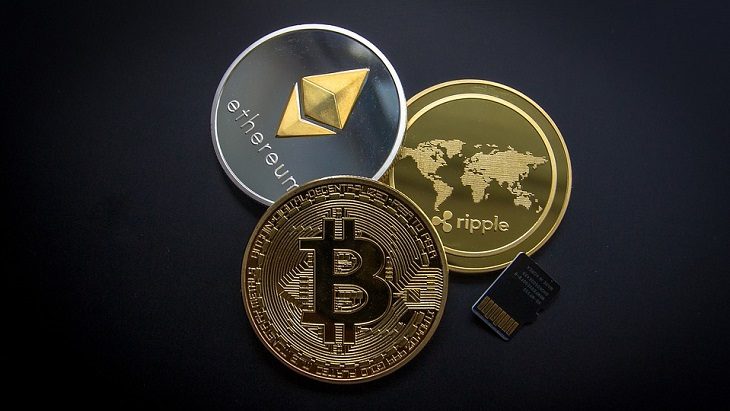
This year, cryptocurrencies have once again taken center stage in global financial shifts. Digital assets are no longer a niche for a narrow group of enthusiasts: they are influencing investment strategies and gradually reshaping the infrastructure of the world financial system.
Institutional Investors Enter and Reshape Market Rules
Major financial organizations are increasingly entering the crypto market. A key event was the launch of spot Bitcoin ETFs—instruments that allow exposure to cryptocurrency through exchanges without direct coin purchases. Billions of dollars flowed into these new products, including those from BlackRock and Fidelity. For the market, this signaled legitimacy: Bitcoin is now often viewed as a portfolio component rather than just a speculative asset. This has boosted market liquidity and scale, with price swings becoming less volatile for large players. Opinions remain divided: some see it as maturation and stability, others as growing influence of traditional finance and reduced independence of the crypto ecosystem.
Cryptocurrency Emerges as a Viable Payment Tool
For a long time, crypto was seen mainly as a speculative asset, with high volatility preventing it from establishing as a payment method. The situation is changing: more stores and online services now accept not only Bitcoin but other assets too. iGaming players were among the first to widely adopt crypto payments. Representatives from the Respin portal, which reviews online casinos, note that USDT and other stablecoins have become the most popular payment tools in practice.
Technologies Drive Rapid Evolution
Alongside capital inflows, Layer 2 solutions (blockchain overlays) are advancing, speeding up and cheapening transactions. Platforms like Arbitrum, Optimism, and Base increase transfer speeds and cut fees, while interfaces grow closer to banking apps. A notable trend is the synergy of blockchain and AI: smart contracts are becoming more complex, DeFi services more efficient, and analytics better at risk assessment. Experts caution, however, that vulnerabilities and technical glitches remain possible.
Investors Adapt to a Mature Market Amid Daily Challenges
The Bitcoin halving in this cycle was met with noticeably less frenzy than before. This is interpreted as a sign of maturity: fewer short-term speculators, more long-term holders. Yet successful strategies now demand careful selection of storage and trading platforms, liquidity and fee management, and heightened security focus. Practice shows even experienced users err: chasing minimal fees leads to delays from poor liquidity, ignoring security causes blocks on large transfers, or underestimating fiat gateways results in withdrawal losses.
Overall, the crypto market is becoming more systematic, but debates on its “maturation” persist: some highlight predictability and resilience, others point to added complexity raising risks for unprepared investors.