


1. Economics has two main branches: microeconomics and macroeconomics
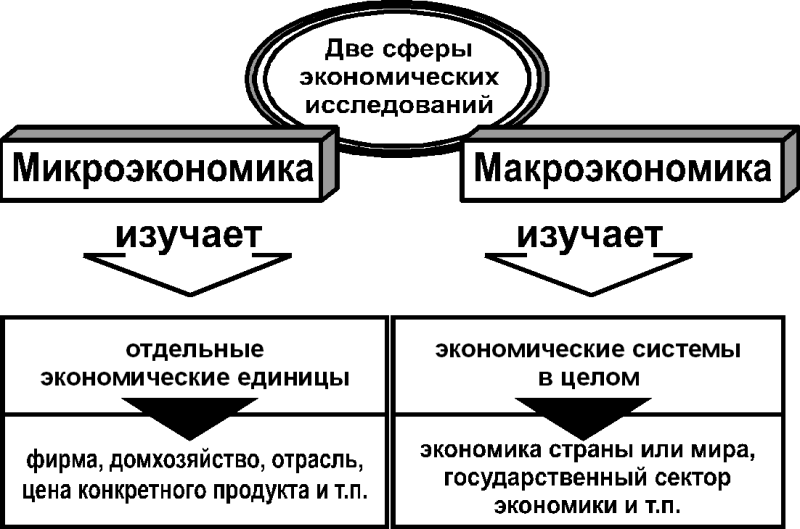
Microeconomics deals with customers, incomes, prices, profitability, and similar factors. Macroeconomics addresses the economy as a whole, including interest rates, Gross Domestic Product (GDP), and other concepts covered in newspaper economy sections. Microeconomics proves more useful for managers, while investors primarily track macroeconomics.
2. Law of supply and demand: the foundation of economics
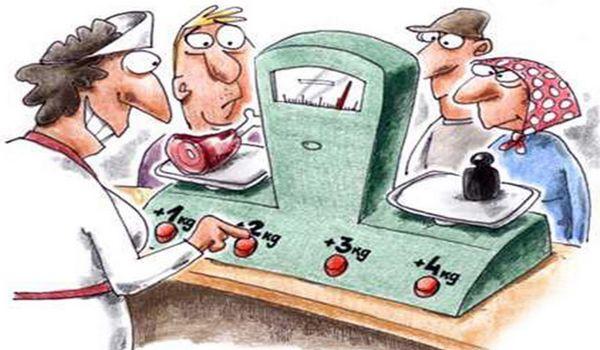
When supply of a good increases, its price falls; when demand rises, the price increases. For instance, excess wheat production lowers food prices, while in Russia, a buckwheat shortage once drove prices up 400-500% until new harvests saturated the market.
3. Marginal utility
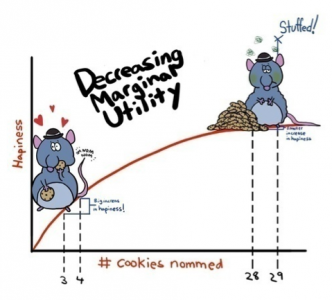
As the quantity of something increases, its usefulness diminishes. A 10,000 ruble raise excites more on a 30,000 ruble monthly salary than on a 1 million ruble income. Businesses widely apply this in pricing.
4. Gross Domestic Product (GDP)
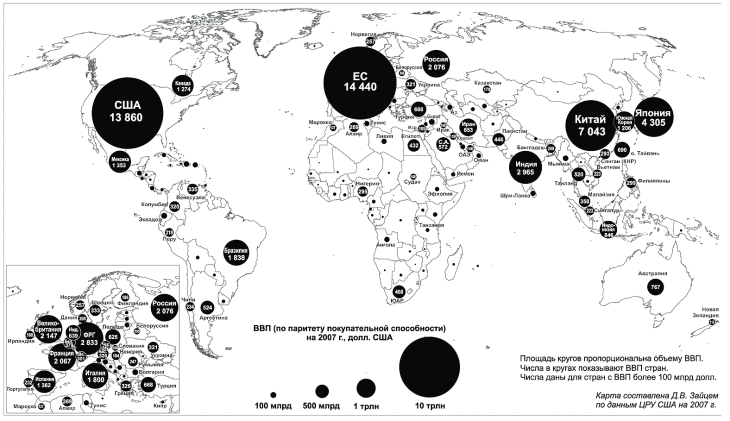
GDP measures an economy’s size as the total income of all people or the market value of all goods and services produced in a country. The world’s largest economy, the US, had a GDP of about 14 trillion dollars, meaning it produces goods and services worth that amount annually.
5. Economic growth rates
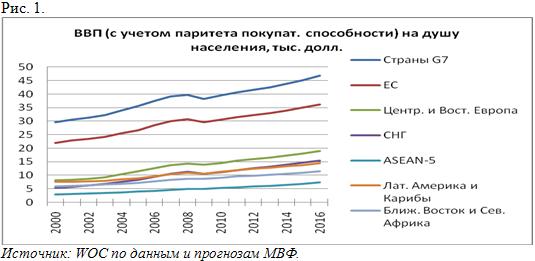
Economies grow measured by GDP growth rates, per capita growth, or production in key sectors. Growth rates calculate as percentages comparing data from the previous and current year.
6. Inflation
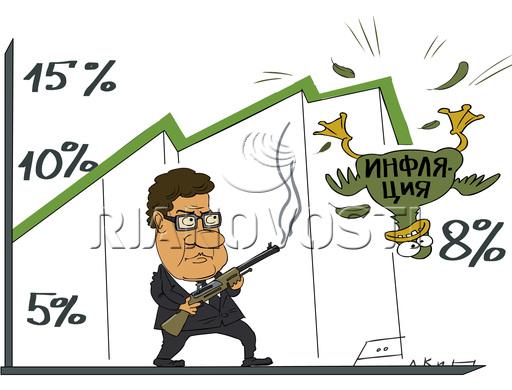
Prices for most food items rise over time. Inflation, measured in percentages, shows how much goods and services cost more than last year overall. Developed economies target about 2% annual inflation; Russia reported 6% that year. Central banks focus on keeping inflation low but positive.
7. Interest rates
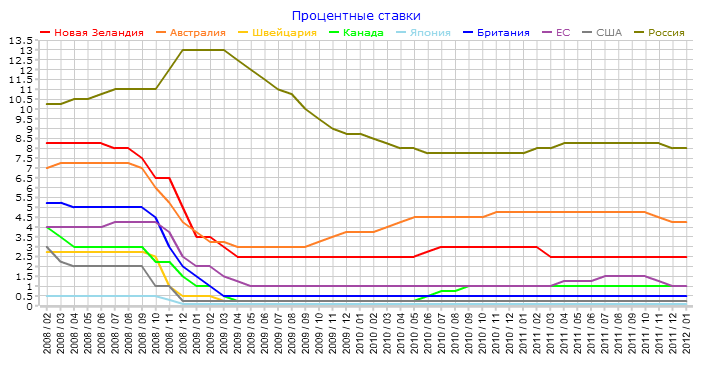
Lending money entitles you to repayment plus interest as profit. Interest rates determine that return. Central banks set short-term rates—at near zero in the US and 8.25% in Russia then. Markets set long-term rates based on inflation and economic outlook. Central banks use monetary policy to manage short-term rates. High rates benefit investors; low rates help consumers, like EU mortgages under 3% annual when average rates stay around 2%.
8. How interest rates, inflation, and economic growth connect
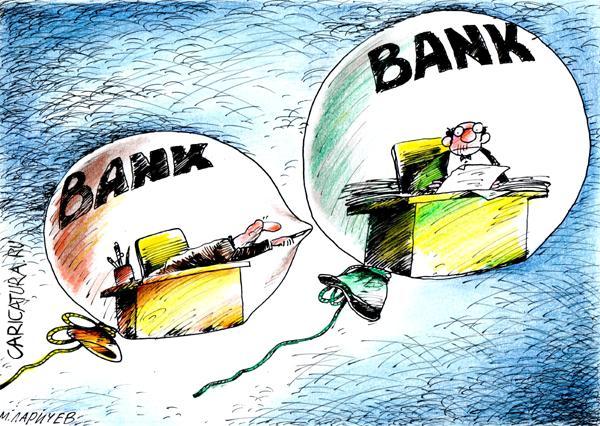
Higher interest rates slow economic growth but curb inflation. Raising rates typically reduces inflation. The US Federal Reserve sets short-term rates, making announcements major news.
9. Fiscal policy
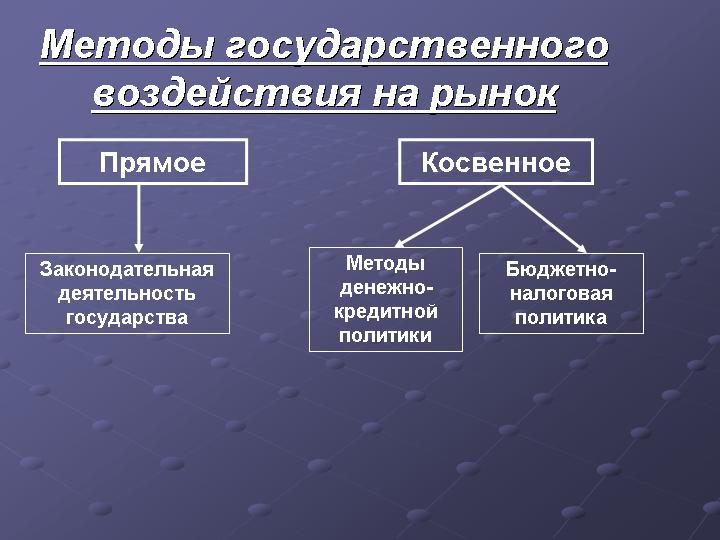
Governments influence the economy through spending and taxes. Higher spending boosts demand and prices, fueling inflation, which prompts more spending. Governments increase outlays during low growth and inflation, cutting back during booms.
10. Economic cycles
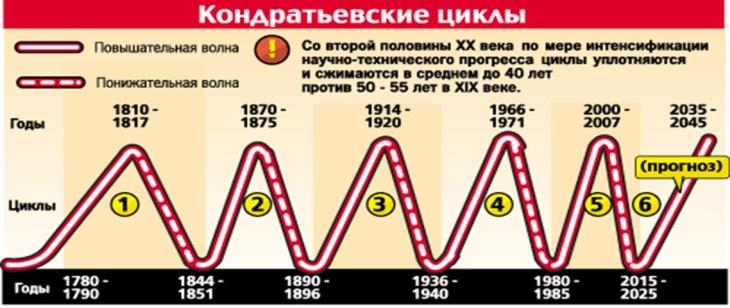
Market economies cycle every about 7 years: rapid growth peaks, contracts into recession (negative growth or rising unemployment), then recovers.
11. Opportunity cost

Choosing an activity means forgoing the best alternative. Working late Friday means missing a party; the party represents the opportunity cost—what you sacrifice. A night club visit costs 500 rubles entry, 1500 rubles dinner, 1000 rubles drinks—total 3000 rubles. Home dinner costs 500 rubles, saving 2500 rubles. Plus 5 hours at 250 rubles/hour work equals 1250 rubles lost earnings. Total opportunity cost: 3750 rubles.
12. Comparative advantage
In IT, if a client wants a website, compare your time cost to a friend’s efficiency. If your friend builds it faster, delegate—theory of comparative advantage means specializing in what you do best and outsourcing the rest.
“,”excerpt”:”Master economics basics: micro vs macro, supply-demand, GDP, inflation, interest rates, cycles, opportunity cost, and comparative advantage with clear examples.”,”short_description”:”Learn 12 essential economics concepts like supply and demand, GDP, inflation, and opportunity cost to understand markets, investing, and policy impacts.”,”faq_html”:”
FAQ
What is the difference between microeconomics and macroeconomics?
Microeconomics studies individual markets, prices, and firms; macroeconomics examines economy-wide factors like GDP, inflation, and interest rates.
How does supply and demand affect prices?
Increased supply lower