Currency exchange rates form through supply and demand dynamics on the Forex market, where traders profit from fluctuations by buying low and selling high relative to other currencies.
Understanding rate formation helps predict trends and make profitable trades.
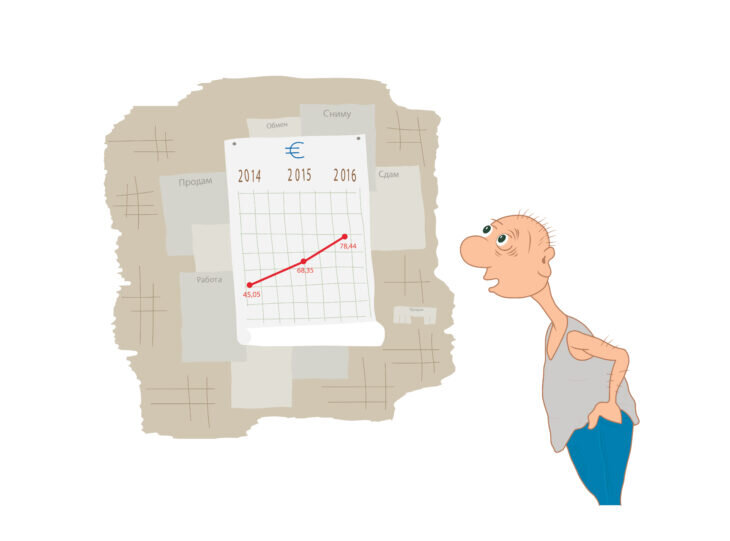
Official Currency Exchange Rates
Central banks set official rates, such as Russia’s Central Bank publishing foreign currency rates against the ruble. Commercial banks, however, set their own rates, which differ from the central bank’s to ensure profitability. These rates can change multiple times daily.
A currency exchange rate expresses the value of one currency in terms of another at a specific moment, a critical factor for traders as timing directly impacts profits.
Forex Currency Exchange Rates
On Forex, rates apply to currency pairs like EUR/USD. If EUR/USD is 1.2705, one euro equals 1.2705 US dollars. Trading platforms show two prices: the lower bid for selling the base currency (euro) and buying the quote (dollar), and the higher ask for buying euro and selling dollars.
Exchange rates on currency exchanges result from supply and demand. Analyzing these forces provides a trading edge and insights into national economies, aiding decisions on loans or securities.
Factors Causing Currency Rate Fluctuations
Key factors drive rate changes:
- Currency emission: Printing more money or expanding money supply increases supply, lowering the currency’s value if demand doesn’t match.
- Trade balance: Strong exports boost demand for the domestic currency, raising its rate; imports increase supply, weakening it.
- Confidence in currency: Citizens or companies preferring foreign currencies like euro for savings or contracts heighten demand, strengthening it.
Other influences include natural disasters or politician statements, but without economic backing, these cause short-term moves. Many sites provide live rates for popular pairs like euro and US dollar against the ruble, with widgets for real-time desktop updates.
FAQ
What determines currency exchange rates on Forex?
Rates form from supply and demand, influenced by interest rates, inflation, trade balances, and central bank policies.
What is bid vs ask in currency trading?
Bid is the price to sell the base currency; ask is the price to buy it, creating the spread for market makers.
How does trade balance affect exchange rates?
Export surpluses increase demand for the domestic currency, strengthening it; imports weaken it by boosting foreign currency supply.