


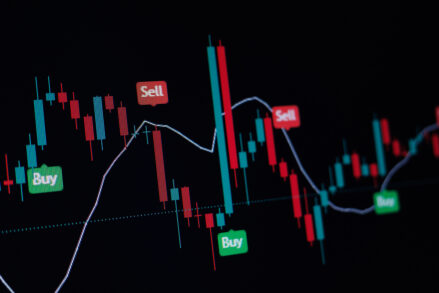


In the realm of personal finance, understanding the mathematics of risk plays a crucial role in preserving capital. Interestingly, the mechanisms that explain budget behavior in investments are largely similar to probability models used in various industries: in both cases, the outcome is determined not by emotions, but by statistics and the built-in parameters of the system. Many people notice that accumulated funds shrink significantly faster than anticipated. The reason usually lies not in chance, but in the characteristics of chosen financial instruments, the frequency of operations, and underestimation of systemic costs.
Different capital management strategies have different “spending speeds” for funds. This depends on asset volatility, commission sizes, credit burden, and investor discipline. Without analyzing these factors, even a promising strategy can lead to accelerated portfolio reduction.
High Volatility and the Illusion of Large Returns
The most aggressive instruments toward capital are those with high volatility. They create the potential for significant profits, but are accompanied by sharp and frequent fluctuations in value. An investor focused exclusively on possible maximum returns often ignores the depth of potential drawdowns. For example, a 50% asset decline requires a subsequent 100% increase to restore the original capital level. This mathematical imbalance makes high-risk strategies particularly sensitive to errors.
An additional risk factor is the use of borrowed funds. Leverage amplifies not only profits but also losses, accelerating the process of reducing equity. In unstable market conditions, even a brief adverse movement can lead to substantial financial losses. Thus, high volatility is not merely temporary fluctuations, but an accelerator of portfolio value changes. Without clear risk management, it can significantly reduce the investment horizon.
Transaction Frequency and the Cumulative Effect of Costs
Another hidden factor is the pace of financial decisions. The more frequently trades are executed, the stronger the impact of commissions, spreads, and taxes. Even if each individual operation seems insignificant, their combined effect can substantially reduce overall returns. This is especially noticeable in short-term strategies, where capital turnover occurs dozens or hundreds of times per month. Under such conditions, the mathematical advantage gradually shifts toward infrastructure costs—brokers, trading platforms, and intermediaries.
Tools and approaches that accelerate capital expenditure through high operational intensity and increased risk include:
- intraday trading with a large number of transactions;
- use of leverage without strict risk limitations;
- investments in illiquid and speculative assets;
- frequent strategy changes under the influence of news and short-term trends;
- investments in products with high management fees;
- lack of diversification and concentration of funds in a single asset;
- impulsive decisions amid emotional market pressure.
Each of these factors individually may seem manageable, but their combination significantly increases the speed of capital reduction.
Structural Costs and Long-Term Impact of Interest
In the long term, systemic parameters—commissions, interest rates, and financial product conditions—play a decisive role. Even a difference of 1-2% in annual expenses can radically change the final accumulated amount over 10-20 years through the compound interest effect. For example, an investment portfolio with 8% annual returns and 1% commission will grow noticeably faster than one with 3% commission. The difference over a long distance can amount to tens of percent of lost capital.
Credit burden works similarly. High interest rates on loans effectively create negative returns that must be offset by investment profits. Without precise calculation, the cost of borrowed funds can neutralize potential investment results. Understanding structural costs is the foundation of financial stability. Capital most often “disappears” not due to a single major event, but as a result of systematic small losses that accumulate over time.
Behavioral Factors and Control Over Financial Decisions
Psychology remains equally important. Emotions can amplify the negative impact of all the aforementioned factors. The desire to quickly compensate for losses, fear of missing an opportunity, or excessive confidence after a successful trade can lead to increased risk and strategy violations.
Financial stability is built through discipline: clear asset allocation, limits on the share of high-risk instruments, regular portfolio review, and creation of a reserve fund. Conscious slowing of decision-making pace and probability analysis help reduce the impact of impulsive actions. Ultimately, the speed of capital loss is determined not only by market dynamics but also by the quality of risk management. The deeper an investor understands the mathematical and behavioral mechanisms, the higher the probability of preserving funds and ensuring their sustainable growth in the long term.