


Almost everyone has heard about the Forex currency market one way or another. Some have seen ads promising huge profits with minimal effort, others share horror stories calling Forex a scam, and some believe trading is only for the very wealthy, not for ordinary people. Only traders know that


- trading on Forex is hard work,
- a trader is a specialty, sometimes even a profession,
- money earned on the currency market is far from easy.
If the earning opportunities on financial markets appeal to you, it’s time to become a trader So, where to start trading on Forex?
Step 1. Decide to Trade on Forex

First and foremost, you need to think carefully…
Forex is not a casino where you can win money by guessing the rate, nor is it a bank where interest accumulates over time without your involvement. Trading on the currency market, like any other profession, requires specific knowledge, skills, and personal qualities. Trading on Forex demands constant learning, improving your knowledge, and most importantly, the ability to make decisions after analyzing your successes and mistakes.
Read the previous paragraph again, imagine yourself as a trader, and think if you really want to dedicate your time to Forex trading. If any point raises doubts or negative thoughts, trading might become an unpleasant profession that brings neither joy nor money. But if you agree that you’ll need time to learn, daily market analysis, strict discipline in your actions, and are ready for both profits and losses, then welcome to the currency market!
Being ready for the challenges and unpredictability of Forex trading, having the right mindset and desire – this is your first step on the path to becoming a trader.
What You Need to Know?
- What is Forex (Forex)?
- Who is a Forex trader?
Step 2. Start Learning

Firmly deciding to start trading on Forex, you first need to acquire certain knowledge. Unfortunately, everyday life skills rarely help in starting to trade without preparation – the terminal is full of unfamiliar terms, market analysis is so diverse it’s unclear where to begin, and even terms like bulls and bears can confuse a beginner for a long time. So it’s better to prepare. There are usually two Forex learning options.
- Training with a company – almost every Forex broker or dealing center offers an introductory course where you learn the basics. These can be paid or free, in-person or remote, lasting from a couple of weeks to several months.
Pros:
- With diligent attendance, you are guaranteed to gain the basic knowledge needed to start trading on Forex within the set timeframe.
Cons:
- You have to pay for training. The amount depends on the company’s policy.
- The teacher’s subjective opinion can become absolute truth for a beginner, sometimes creating a distorted view that’s hard to shake off later.
- Training quality directly depends on the teacher’s competence. There’s a risk of ending up in a course with no real benefit.
- Some brokers may push you to open a large real trading account right after the course. It’s usually easy to convince a beginner, but the first deposit is often lost…
- Self-taught Forex learning – the internet is overflowing with information: specialized training sites, Forex forums, and trader blogs where a beginner can quickly grasp the basics of the currency market.
Pros:
- Self-learning is completely free.
- You can dedicate as much free time as you have or whenever it’s convenient.
- You can draw your own conclusions by comparing materials from different sources.
Cons:
- Self-studying means sifting through a ton of diverse information on how to start trading on Forex. A smart person will figure it out quickly, but it can take time.
- No one to ask questions. You might encounter confusing moments that slow progress. In such cases, an experienced teacher’s hint would be invaluable, but it’s absent. The solution is to use specialized forums and beginner Q&A threads – practitioners will gladly help.
Forex training is a stage in becoming a Forex trader that cannot be skipped. It’s like driving lessons for complete novices: sitting behind the wheel on a dirt road seems easy, but on the highway or in rush-hour city traffic, it can hit your wallet and confidence hard.
Useful to Know
- Forex Training: Paid or Free?
- Free Lectures and Trading Courses
- Basic Concepts
Step 3. Choose a Forex Broker

Armed with the necessary minimum knowledge, you can start trading on the currency market. Forex trading services are mainly provided by Forex brokers, dealing centers, and banks. So you need to choose a company you trust.
This stage is very responsible because you’re one person against many brokers. There are plenty of helpful articles on how to choose a Forex broker. Ratings of Forex brokers, reviews from practicing traders, and complaints about companies – usually posted in dedicated sections on Forex forums – are invaluable for beginners.
Don’t hesitate to ask Everyone was a beginner once, facing the same questions and problems. The beauty of Forex is that traders don’t compete with each other – no one takes anyone else’s bread; everyone earns based on their skills and abilities. This fosters friendliness and support, and on good resources, beginners’ questions always get competent answers.
Sometimes you hear: “Does it matter where to open the first demo account?” It’s true, you can profit anywhere on virtual money, but it’s hard for a beginner to objectively evaluate a company after stable demo trading – they’ll likely open a real account there too.
So better think about choosing a Forex broker right away or keep it in mind during step 4. The broker is your partner – you need to fully trust them!
About Forex Brokers
- How to Choose a Forex Broker?
- About Forex Broker Operations
- Forex Broker Ratings
Step 4. Trading on a Demo Account
No one would think that someone who just finished civil aviation pilot courses would sit at the controls of a passenger Boeing. Likewise, a beginner trader with only minimal theoretical knowledge should absolutely not open a real trading account right away.
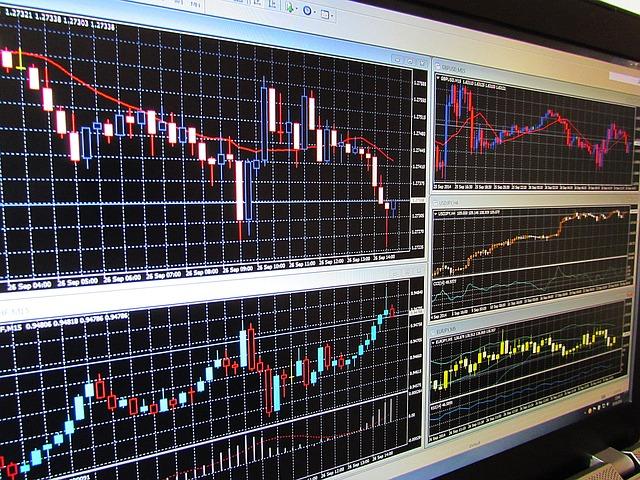
So how does a novice trader gain practical experience? All Forex brokers and dealing centers offer demo accounts. Demo accounts are free, funded with virtual dollars in any amount you choose, and allow trading under real-like conditions.
To open a demo account on a broker’s site, you usually need to register with your phone number for an SMS confirmation code. Soon, a company manager will call, learn you’re a beginner, and offer to email you some training materials upon registration. It’s a nice free bonus.
Don’t want intrusive calls? Download the company’s terminal and open a demo account there. Most brokers offer this option.
What is a Forex demo account for?
Trading on it uses virtual money, and as all Forex brokers claim (though not entirely true), it’s identical to real account trading.
On a demo account, a beginner gets used to the trading terminal, masters its functions, tries different trading styles (scalping, pipsing, intraday, short-term, medium-term, or long-term), tests strategies, selects technica